


SplashLearn: Kids Learning App
4.6507.00 Reviews
App Specs
- Version
- 7.4.0
- Updated On
- License
- Free
- Downloads
- 1,000,000+
- Developer
- StudyPad, Inc.
- Categories
- Education
- Platform
- Android, iOS
Screenshots
 Analysis by AppCompare
For me, the key question with a children’s learning app isn’t just whether it can hold a child’s attention; it’s whether it fits the real rhythm of family life. SplashLearn: Kids Learning App brings math and reading practice together in a playful format, but the experience also depends on practical things such as a steady connection, an adult’s expectations, and how much screen time works for your household. I’d treat it as a useful activity to choose deliberately, not a magic replacement for books, conversation, or schoolwork.
When the connection becomes part of the lesson
A network connection matters most at the moments when a child is ready to start an activity. If the app is loading or responding slowly, that can break the flow before the learning begins, especially for younger children who may not be patient with a pause. I’d open it before handing over the device when timing matters, rather than discovering a connection problem after a child has settled in for a short session.
This is particularly worth thinking about on a school morning, during a quick break between errands, or while waiting for an appointment. Those are exactly the moments when a parent may hope an educational activity will begin immediately. If the connection is unreliable, I’d have a simple alternative ready: a picture book, a few spoken word games, or a small offline activity. That way, a network hiccup does not turn into a negotiation over the tablet.
Choosing the right kind of mobile session
On a phone, the appeal is convenience: it is easy to bring along and can fill a short stretch of otherwise idle time. A tablet is often a more comfortable choice for a child who needs room to see and tap the activity, while a larger screen can also make it easier for an adult to sit nearby and follow along. The best device is not necessarily the newest one; it is the one the child can use comfortably without having to strain or ask for help with every step.
I’d keep sessions tied to a clear purpose. For example, after a child has finished a snack at a café, a parent could offer one short learning activity before packing the device away. That is more manageable than letting an app become the default background entertainment for an entire outing. The same approach works at home: choose a suitable moment, check that the device is charged and connected, and agree on when the session ends.
Because children’s attention and reading confidence differ, adult involvement still matters even when the app feels easy to navigate. I’d watch the first few sessions to see whether a child understands what to do, enjoys the pace, and can stop without frustration. If they keep guessing at answers or tapping through prompts, sitting nearby for a few minutes may be more helpful than leaving them alone with the screen.
Handling a pause without losing the mood
When an activity stalls, I’d avoid assuming the child has done something wrong. A slow connection, a device that needs attention, or a confusing prompt can all interrupt a session. First, check whether the device is still connected and responsive; then give the app a moment before restarting anything. If the interruption continues, switching to another activity is often kinder than repeatedly asking a young learner to wait.
Worth Reading Before You Choose

EA SPORTS FC Mobile 26 Is a Bigger Football Game, but It Takes Time

Flipboard Shows What News Apps Must Do Beyond the Feed

Switching to Android Auto Means Rethinking Your Driving Routine

Google Calendar Makes a Crowded Week Easier to Manage

Ludo King Makes the Most of the Minutes Between Plans

Baby Panda World Brings Quick Play to Modern Phones, but Its Game Library Feels Busy
There is a useful distinction between a brief interruption and a pattern. If problems happen only in one place, trying the app later on a more dependable connection may be enough. If a child regularly needs an adult to restore the activity, the app may be less suitable for independent use in that household. In that case, I’d make it a shared activity or choose a book, worksheet, or other resource that does not depend on the same setup.
Making a sensible choice about data and spending
For families watching mobile data, I’d use a trusted home connection when one is available and avoid assuming that a session will use no data just because it looks like a game. Parents can also check the device’s own data-use settings and set household limits before letting a child use the app away from home. That small bit of preparation is more reliable than trying to manage data use after a child has already started playing.
The app is free to download, but in-app purchases are listed from $7.99 to $144.00 per item. I’d check the purchase controls on the device before a child uses it independently, and explain that an on-screen reward or locked item is not a reason to buy something immediately. This is a practical safeguard for any child-facing app, and it helps keep a free starting point from becoming an unexpected expense.
What is SplashLearn All About?
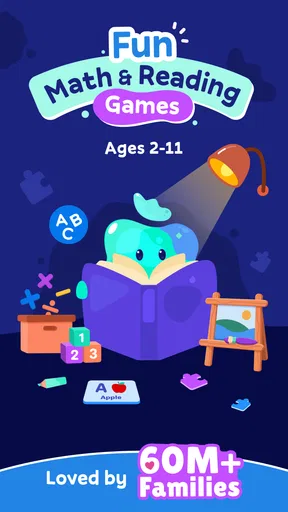
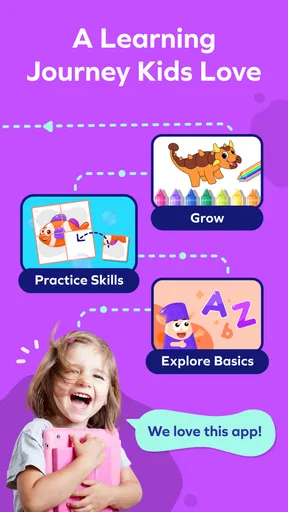
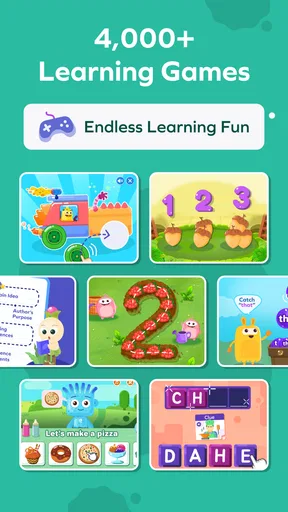
Alright, so SplashLearn: Kids Learning App is basically a learning paradise for kids from Pre-K to Grade 5. It’s packed with interactive games and activities designed to make math and reading an adventure rather than a chore. The best part? It’s all aligned with the school curriculum, so your little ones are actually learning the right stuff while having a blast!
Interactive Learning at Its Best
One of the things I absolutely love about this app is its interactive nature. Kids don’t just sit there staring at a screen. Nope, they’re actively participating. The app uses vibrant graphics, fun animations, and engaging sounds to keep the kiddos entertained. It’s like having a classroom where fun and learning go hand in hand!
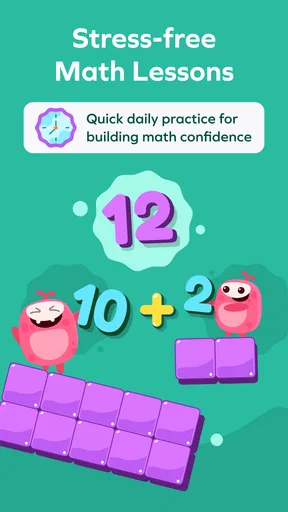
- Math Games: From addition to subtraction, and even fractions, there’s something for every little math enthusiast.
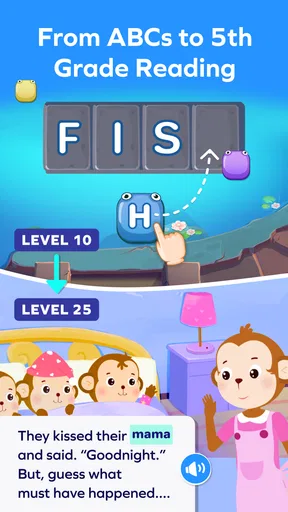
- Reading Adventures: Phonics, spelling, and reading comprehension are all covered, helping kids develop a love for reading early on.
In day-to-day use, I’d treat those activities as a way to make a specific skill less intimidating, not as proof that a child has mastered it. If fractions are causing trouble in homework, for instance, a playful activity can offer another way to encounter the idea. Afterwards, asking the child to explain their thinking in their own words is a useful check that the lesson has travelled beyond tapping the right answer.
Personalized Learning Experience
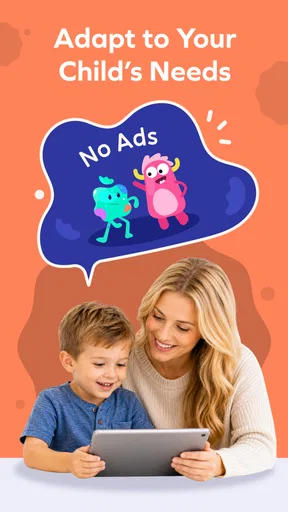
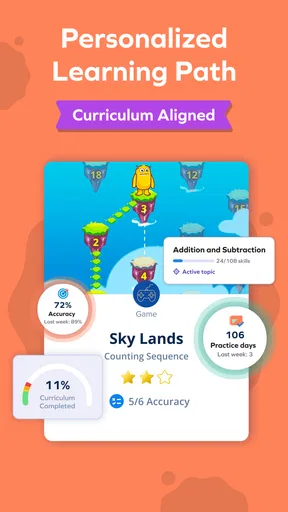
Another fantastic feature is the personalized learning path. The app adapts to your child’s pace and skill level. So, whether your child is breezing through or needs a bit more practice, SplashLearn has got you covered. It’s like having a personal tutor in your pocket!
I’d still use the learning path as a guide rather than treating it as a complete picture of a child’s ability. A child may be tired, distracted, or unfamiliar with a particular way of presenting a question. If progress seems uneven, try the activity at a calmer time and compare that experience with what the child can do aloud or on paper. That gives a parent better context than assuming a difficult session means the child is falling behind.
Reward System: Motivation Galore!
What’s learning without a little motivation? SplashLearn incorporates a reward system that encourages kids to keep going. They can earn coins and rewards for completing tasks, which they can then use to customize their avatars or unlock new games. It's a win-win!
Rewards can make practice feel inviting, but I’d keep the focus on the activity itself. One simple routine is to ask what the child learned or found tricky before moving on to avatar choices or other in-app rewards. That makes it easier to notice whether the child is engaging with the reading or math, rather than only racing toward the next treat. If rewards become the whole point, a parent may want to shorten the session or switch to a different kind of practice.
Parent-Friendly Insights
As a parent, I appreciate the detailed progress reports. You can easily track how your child is doing and identify areas where they might need a bit more help. It’s all about being in the know without having to hover over them constantly.
Progress information is most useful when it leads to one small next step. If a report points to a topic that needs more practice, I’d choose one related activity and then revisit the skill outside the screen in conversation, a story, or a simple everyday example. The report can help an adult decide what to pay attention to, but it should not replace watching how a child approaches a question or asking what they found confusing.
Easy Navigation
Now, let’s talk about the user interface. It’s super intuitive and easy to navigate, which means even the youngest users can find their way around without a hitch. No more frustrated cries of "Mom, how do I do this?" You’ll actually have more time to sip that coffee while they learn!
That ease of navigation is a real advantage over a pile of separate worksheets or switching between unrelated learning tools: a child can move between math and reading in one place. The trade-off is that a polished game-like format can make it tempting to keep going when the useful part of the session is already over. I’d set a stopping point in advance, especially for children who find it hard to put a device down once they are enjoying it.
Who will get the most from it
I think the strongest fit is a family looking for approachable practice across early math and reading, especially when a child responds better to interaction than to a page of exercises. It may also suit a parent who wants a structured starting point for a short learning routine without planning every question from scratch. StudyPad, Inc. develops the app, and its education focus is clear in the pairing of skill practice with progress information.
It is less compelling for a child who needs sustained conversation, hands-on materials, or close one-to-one teaching to understand a concept. It is also not my first choice for a family that wants a fully screen-free routine, or for someone seeking a single-subject tool with a very narrow focus. A physical book or teacher-provided practice may be better when the goal is quiet reading, handwriting, or work that a child can complete without a device and network access.
Compared with ordinary learning videos, the interactive format asks a child to respond rather than simply watch, which can make practice feel more active. Compared with paper worksheets, it is livelier and can offer a parent a view of progress, but paper is simpler when connectivity, device sharing, or screen limits are concerns. I would use the app alongside those alternatives, choosing the format that suits the skill and the child’s mood instead of expecting one resource to do every job.
Age, access, and practical expectations
The app is rated for Everyone, and its activities are aimed at children in the early school years. That broad audience does not mean every activity will suit every child equally; reading level, confidence, and familiarity with a device all affect how independently a learner can use it. I’d explore the available activities with the child rather than assuming that age alone identifies the right starting point.
It is free to begin, while optional in-app purchases range from $7.99 to $144.00 per item, so I’d review purchase controls before handing the device over. The app has a 4.5 average from around 2.9 thousand ratings, with over 1 million installs, which suggests it has reached many families, though those figures cannot tell me whether its teaching style will suit a particular child. Its current version is 7.2.4, and it requires Android 8.0 or later. Those are useful checks before installing it on an older device.
One practical question parents often have is whether it can be relied on during travel or in places with poor reception. I would not plan around uninterrupted access when a network is uncertain; instead, test the setup in the place where the child will use it and keep a non-digital backup. Another is whether an adult needs to supervise: the interface may be approachable, but younger learners still benefit from help choosing an activity, interpreting a mistake, and stopping at a sensible time.
A balanced place in a child’s routine
Overall, the experience works best when I use it as one option in a wider routine: a brief activity after school, a focused bit of extra practice, or a calm diversion while an adult is nearby. I would not make it the automatic answer to every bored moment, and I would not judge a child’s learning from a single session. The combination of math, reading, interactive tasks, rewards, and progress information gives parents several ways to make practice more approachable, but thoughtful limits still matter.
Access Anytime, Anywhere
Whether you’re at home or on the go, SplashLearn has you covered. It’s available on both Android and iOS, and you can even access it through a web browser. So, it’s perfect for those long car rides or waiting room marathons.
I’d soften that last promise in real life: a phone or tablet can be convenient while travelling, but the experience depends on having a working connection and a device ready to use. I’d check access before leaving home rather than counting on it as the sole plan for a long ride. For a brief wait, it can be handy; for a stretch where reception may be unreliable, a downloaded book or another dependable activity is the safer companion.
For families comparing options, my connectivity verdict is straightforward: this is most comfortable where the connection is dependable and an adult can help set boundaries. If your child mainly needs quick, engaging practice at home, it is worth trying. If your routine involves frequent dead zones, shared devices, strict data limits, or a preference for offline materials, choose a resource that fits those constraints better and keep this one for connected moments.
So, there you have it! If you’re looking for an educational app that combines fun and learning seamlessly, SplashLearn: Kids Learning App might just be the one. It’s engaging, comprehensive, and most importantly, it keeps the kids happy and learning. Give it a whirl, and let me know what you think!
Pros
- Interactive and engaging interface.
- Wide range of subjects covered.
- Personalized learning paths.
- Regular progress tracking.
- Offline access available.
Cons
- Requires subscription for full access.
- Limited free content options.
- Occasional app crashes reported.
- Some features need internet.
- Notifications can be frequent.
FAQs for SplashLearn: Kids Learning App
What age group is SplashLearn: Kids Learning App designed for?
SplashLearn is primarily designed for children aged 3 to 10 years. The app offers a wide range of educational content tailored to different age groups, helping young learners develop foundational skills in math and reading through interactive games and activities. It’s an excellent tool for both preschoolers and elementary school students.
Is SplashLearn: Kids Learning App available on both Android and iOS devices?
Yes, SplashLearn is available for download on both Android and iOS platforms. This makes it accessible to a wide range of users, allowing parents and educators to utilize the app on various devices, including smartphones and tablets. You can find it on the Google Play Store and Apple App Store.
Does SplashLearn require an internet connection to function?
While SplashLearn offers many features that can be accessed offline, a stable internet connection is recommended for downloading content and accessing updated features. Some interactive elements and learning analytics may require internet access to function optimally, ensuring your child receives the most up-to-date educational experience.
Are there any subscription fees for using SplashLearn?
SplashLearn offers both free and premium subscription plans. The free version includes basic features and access to limited content, while the premium subscription unlocks additional games, activities, and progress tracking tools. Parents can choose the plan that best fits their child’s educational needs and budget.
How does SplashLearn ensure the safety and privacy of its users?
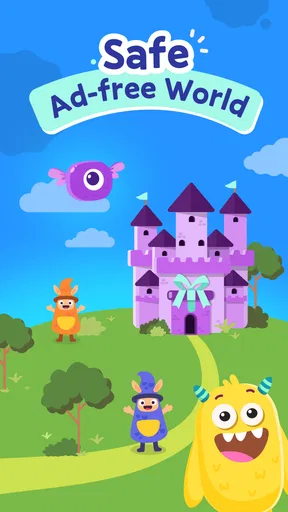
SplashLearn prioritizes user safety and privacy by adhering to strict data protection regulations. The app does not collect personal information without consent and ensures all data is encrypted. Parents have control over their child’s profile and can monitor progress, ensuring a safe learning environment for young users.


